Environmental, Social, and Governance (ESG) has become a key part of how businesses measure success. While financial performance remains important, customers, investors, regulators, and business partners are increasingly evaluating how organizations manage their environmental impact, protect sensitive information, and operate responsibly.
For many companies, ESG is no longer simply about meeting reporting requirements—it has become a framework for building resilience, strengthening reputation, and creating long-term value.
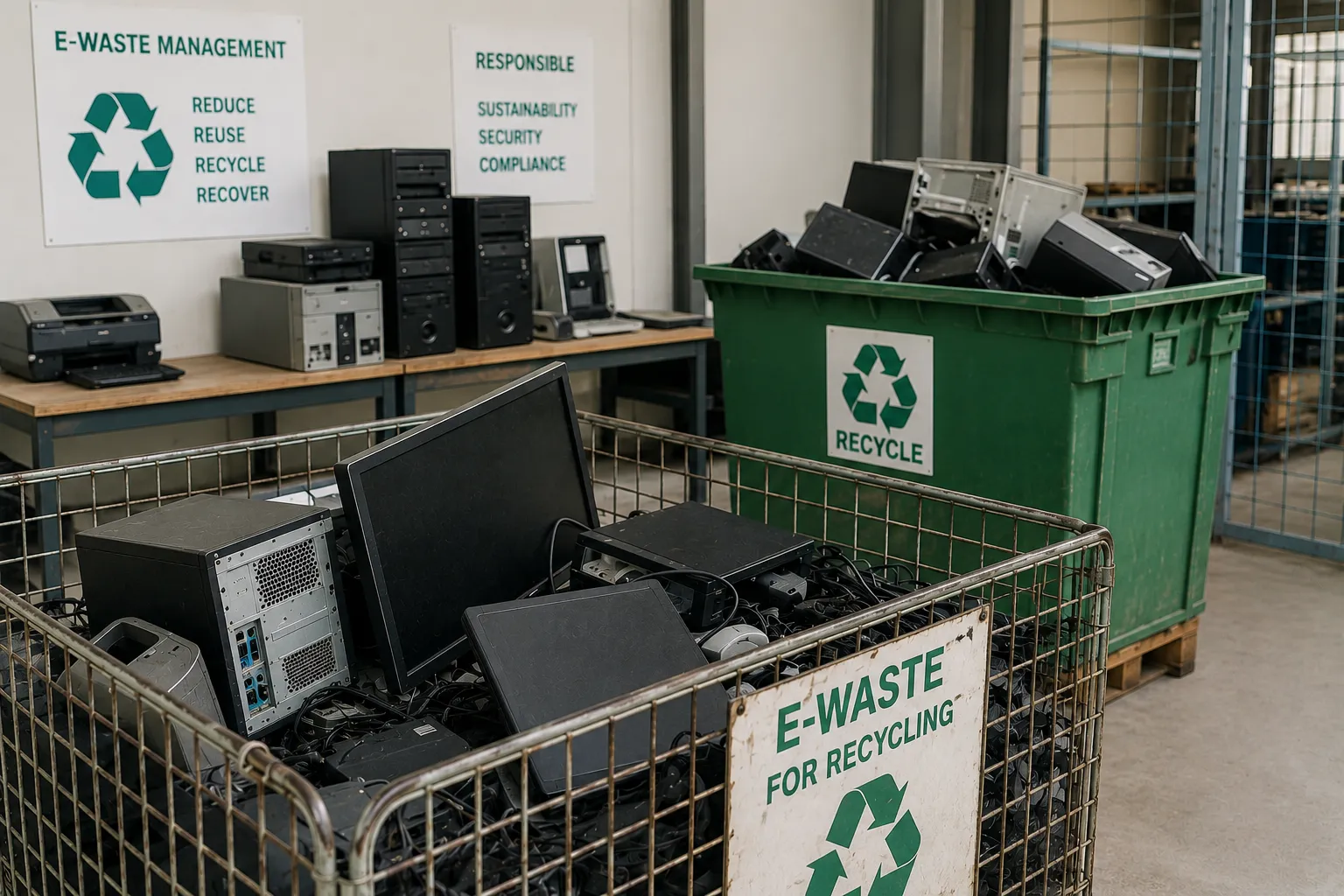
One area that deserves greater attention within any ESG strategy is electronic waste (e-waste). As businesses continue to rely on technology, the responsible management of retired IT equipment is becoming an essential part of achieving meaningful sustainability goals.
For organizations across the Philippines, responsible e-waste recycling is more than disposing of obsolete computers or outdated electronics. It is an opportunity to recover valuable resources, protect confidential information, reduce environmental impact, and demonstrate a genuine commitment to responsible business practices.
Technology Creates Opportunity—And Responsibility
Technology powers almost every aspect of modern business.
From laptops and desktop computers to servers, networking equipment, mobile devices, and office electronics, organizations rely on digital tools to improve productivity and support daily operations.
As technology advances, these devices are regularly replaced to improve performance, reliability, and cybersecurity. However, every upgrade also creates retired equipment that must be managed responsibly.
Unlike ordinary office waste, electronic devices contain valuable materials such as copper, aluminum, gold, and other recoverable resources. They may also contain components that require specialized handling to ensure they are recycled safely and responsibly.
Choosing responsible e-waste recycling helps recover these valuable materials while minimizing unnecessary environmental impact.
ESG Goes Beyond Environmental Performance
Although the "E" in ESG stands for Environmental, responsible e-waste management contributes to all three pillars of the framework.
Environmental
Proper recycling reduces landfill waste, conserves natural resources, supports the circular economy, and helps recover valuable materials that can be reintroduced into manufacturing.
Social
Organizations that demonstrate environmental responsibility strengthen relationships with employees, customers, investors, and the communities they serve. Responsible e-waste management reflects a commitment to protecting both people and the environment.
Governance
Good governance requires accountability and responsible risk management. Secure IT Asset Disposition (ITAD), documented recycling processes, regulatory compliance, and proper handling of retired technology all contribute to stronger corporate governance.
By managing electronic waste responsibly, businesses can support every aspect of their ESG strategy—not just the environmental component.
The Circular Economy Starts with Better Resource Management
Around the world, businesses are embracing circular economy principles that focus on extending the life of products and recovering valuable materials instead of simply disposing of them.
Responsible e-waste recycling supports this approach by recovering metals, plastics, and other materials that can be used to manufacture new products, reducing reliance on virgin raw materials.
Rather than viewing obsolete electronics as waste, leading organizations increasingly recognize them as resources that still have value.
This shift supports both sustainability objectives and smarter resource management.
Protecting Data Is Part of Responsible Recycling
Environmental responsibility should never come at the expense of information security.
Retired computers, servers, hard drives, laptops, and storage devices often contain confidential business information, customer records, financial data, and intellectual property.
Simply deleting files or performing a factory reset may not permanently remove sensitive information.
Professional IT Asset Disposition (ITAD) services combine certified data destruction with environmentally responsible recycling, allowing organizations to protect confidential information while ensuring retired equipment is processed securely.
This integrated approach strengthens both cybersecurity and ESG performance.
Customers, Investors, and Supply Chains Are Raising Expectations
Businesses today are increasingly expected to demonstrate responsible environmental practices.
Customers are asking about sustainability initiatives. Investors are evaluating ESG performance as part of long-term risk assessments. Procurement teams often request information about waste management and recycling practices before awarding contracts.
Questions may include:
- How is electronic waste managed?
- Are retired IT assets securely destroyed?
- Does the company work with responsible recycling partners?
- What measures are in place to reduce environmental impact?
Organizations with documented e-waste management procedures are better positioned to answer these questions with confidence while reinforcing their commitment to responsible business practices.
Building an Effective E-Waste Management Program
Creating a successful e-waste management program doesn't have to be complicated.
Many organizations begin by taking practical steps such as:
- Conducting an inventory of obsolete IT equipment
- Establishing designated collection areas for retired electronics
- Partnering with accredited e-waste recycling providers
- Ensuring secure data destruction before recycling
- Educating employees on responsible e-waste management
- Maintaining documentation to support ESG reporting and internal governance
Over time, these initiatives help build a consistent, transparent, and sustainable approach to managing retired technology.
Choosing the Right Recycling Partner
An effective ESG strategy depends on working with trusted environmental partners.
Businesses should look for providers that offer:
- Secure IT Asset Disposition (ITAD)
- Certified data destruction
- Responsible e-waste recycling
- Transparent chain-of-custody procedures
- Regulatory compliance
- Resource recovery solutions
- Documentation that supports ESG reporting
Choosing the right recycling partner helps organizations strengthen governance, reduce environmental impact, and manage retired IT assets with confidence.
Responsible E-Waste Management Supports Long-Term Business Success
As ESG expectations continue to evolve, responsible e-waste recycling is becoming an essential part of modern business operations.
Organizations that responsibly manage retired electronics are not only reducing landfill waste—they are protecting sensitive information, recovering valuable resources, strengthening governance, and demonstrating leadership in sustainability.
For Philippine businesses, responsible electronic waste management is more than an environmental initiative. It is a practical investment in operational resilience, corporate responsibility, and long-term business success.
At Envirocycle, we help organizations across the Philippines manage retired technology through secure IT Asset Disposition (ITAD), responsible e-waste recycling, and resource recovery solutions. Whether you're strengthening your ESG strategy or looking for a more responsible way to manage electronic waste, our team is ready to help you build a safer and more sustainable future.